
Annihilated Partners Guide: All Four Survivors
The four partners in Annihilated: what Hero, Mage, Warrior and Priest lose, how each fights beside you, and what their routes are about.
Quick answer: You can carry only one of four survivors out of the dungeon: the Hero, the Mage, the Warrior or the Priest. Each has lost something essential, each fights differently beside you, and each route is a complete six-hour story with its own endings.
The partner choice is the biggest decision in Annihilated. It is not a class pick. It decides which version of the story you see, which combat role fights next to you, and which of the four tragedies you spend six hours inside.
Who are the four partners?
The party went missing in a cursed dungeon. You find them alive, but changed:
| Partner | What they lost | What they still have |
|---|---|---|
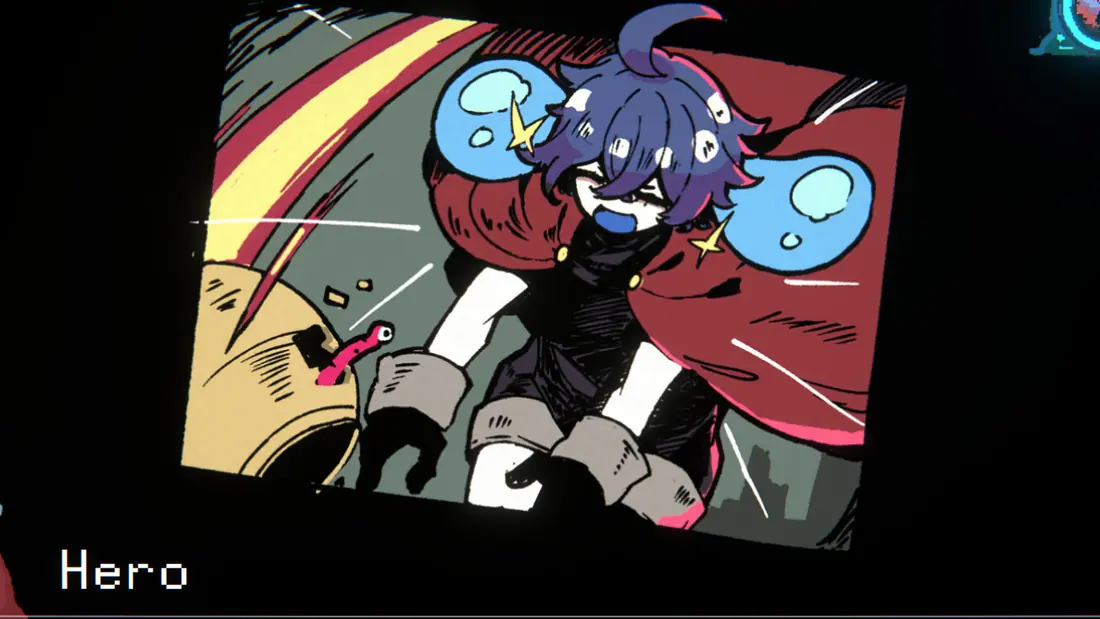
| Hero | The ability to speak beyond yes and no | The strength to shrug off death |
| Mage | Their magic | Their knowledge of the dungeon and its rules |
| Warrior | Their body, now housed in a doll | Their aggression and their sense of humor |
| Priest | Their faith, now devoted to the Great One | The strongest healing in the party |
The store describes them as the hero's party, not yours. You are the last survivor of the rescue team sent after them. That gap matters: they know the dungeon, and you know what it cost to reach them.
How does each partner fight?
The partner fights beside you automatically, so their combat identity is about what they add to your turn rather than a separate command menu.
Hero is the survivability pick. The store's phrasing is that the Hero shrugs off death. In practice, that means the frontline partner can absorb punishment that would end another route. If you want a first run with more room for error, this is the direct answer.
Priest is the sustain pick. The store says the Priest heals like no one else. Healing is the scarcest resource in a card game where items break, so the Priest's value compounds over a six-hour route.
Mage is the knowledge pick. Losing magic but keeping knowledge makes the Mage a guide: enemy callouts, dungeon rules, and the kind of context that turns a blind floor into a readable one. The combat contribution is less direct than the Hero or Priest.
Warrior is the aggression pick. A soul in a doll who still wants to fight is a comedic and violent presence. The route is the least conventional of the four, and the doll body is a story engine as much as a combat one.
What does the partner change outside combat?
Every conversation pulls you deeper into who your partner really is: their secrets, and what actually happened to the party. The store says the balance of trust, doubt or dependence depends on how you feel, and that this shapes the ending.
That is not a simple approval meter. The game frames the relationship as something you define through your reactions, not something you optimize. Two players can carry the same partner and end with different relationships because they felt differently about the same events.
The practical advice is to answer honestly on a first run. Optimizing a relationship you have not seen yet produces a story you did not choose.
Which partner should you carry first?
Carry the one whose loss you find most interesting, not the one with the best tier placement.
- If you want the most forgiving combat, take the Priest or the Hero.
- If you want the most information, take the Mage.
- If you want the strangest story, take the Warrior.
The partner tier list→ ranks them for a first run specifically, with the criteria spelled out. It is a recommendation, not a rule; all four routes are complete stories.
Do you lose access to the other partners?
You can only carry one out. The other three stay in the dungeon, which means their routes happen in different runs. This is not a short epilogue; each route is about six hours and the full script is 200,000+ words.
That structure has a cost: you cannot see everything in one playthrough, and the game does not pretend otherwise. Plan for at least two runs if you want to compare the two strongest story hooks.
How does the partner affect endings?
The store says the ending depends on how you feel and on the relationship that grows. That makes the partner route the first half of the ending condition and your conversation choices the second half.
Do not expect a single "good ending" per partner. Multiple endings exist across the four routes, and the relationship axis is the one the store highlights. If you want a specific outcome, the honest approach is to decide what your character believes and stay consistent.
A partner's combat bonus is a small part of a route. The dialogue, the secrets and the ending are the bulk of the experience. Choose the story you want to live in.
Official source: Annihilated on Steam ↗
Can you swap partners mid-route?
No. The choice happens at the rescue, and the route follows the partner you carry. The other three are not a rotating party; they are alternate routes.
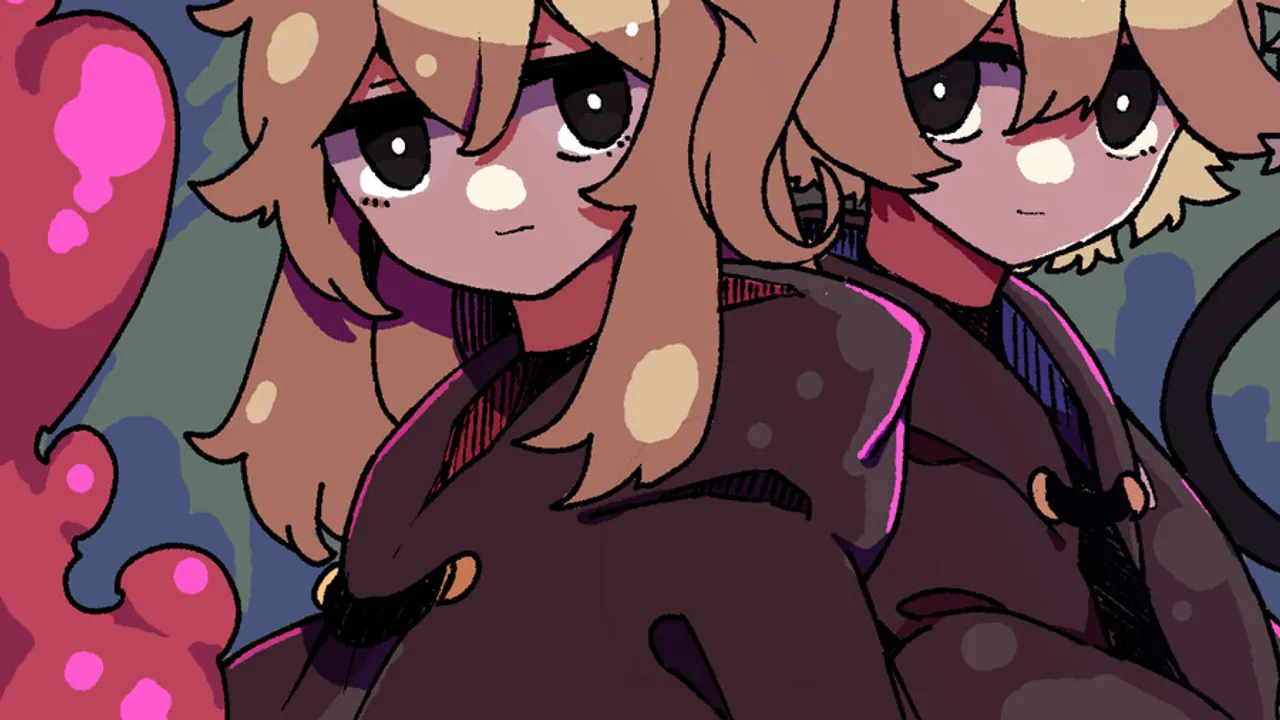
That is why the demo's ending tease matters. It shows the four survivors and the one-exit problem without resolving it, which is the game telling you that the choice is the content.
What do the partners have in common?
All four are written as people who lost something defining and are still functioning. None of them is a reward dispenser. The horror in the game comes from the gap between who they were and who you meet.
That tone is consistent across the routes, according to the store's framing: each route is a complete story, not a fragment of a larger "true" path. There is no route that exists only to be corrected by another.
For the combat side of each pick, the combat guide→ covers turn order, and the beginner guide→ covers the first-run setup.
FAQ
Can you save all four partners?
No. The premise is that you can carry one out. The other three remain in the dungeon, and their stories are told in their own routes.
Does the partner affect combat difficulty?
Yes, indirectly. The Hero and Priest add survivability; the Mage adds information; the Warrior adds aggression. The game does not label a canonical easy route.
Are the partners romanceable?
The store describes trust, doubt and dependence, not romance. Treat the relationship as a bond with several shapes rather than a dating system.
How long is each partner route?
About six hours each, per the store. The full script is 200,000+ words across four routes.